Indian IPTV: Understanding Internet TV and Streaming
India's streaming landscape is often described as mobile-first, and for good reason: for a large share of viewers, a smartphone is the primary or only screen used for streaming content, rather than a secondary device alongside a TV. This has real implications for how IPTV is used and what features actually matter to Indian audiences, from interface design down to how efficiently an app handles data and battery use, details that matter far less in markets where a television, rather than a phone, is the default screen for viewing.
This guide looks at India's mobile-first streaming habits, the diversity of devices in use, how varying network conditions affect streaming quality, and what to prioritize when choosing an IPTV player app in this context, with a focus on the practical realities of streaming on a phone rather than assuming a living room TV setup, since that assumption doesn't reflect how most people across the country actually watch television today.
A Mobile-First Streaming Market
Smartphone adoption in India has outpaced traditional smart TV ownership in many households, making mobile devices the default entry point for streaming content, including IPTV. This means player apps used widely in India need to perform well on a small screen with touch navigation, not just as an afterthought to a TV-focused design, given that touch remains the primary way most viewers interact with the app.
Data usage also matters more in a mobile-first context, since many users are more conscious of mobile data consumption than households primarily streaming over home broadband and Wi-Fi, making resolution and quality settings a practical everyday concern rather than an afterthought, unlike in markets where data limits are rarely a factor.
Affordable mobile data plans have played a significant role in this shift, making it practical for many viewers to stream regularly on a phone rather than relying primarily on a home internet connection. This has shaped user expectations around app performance, since a streaming app needs to feel responsive on a phone screen and touch interface as its default use case, not as a secondary consideration, unlike apps originally designed with a television remote in mind.
Device Diversity Across Indian Households
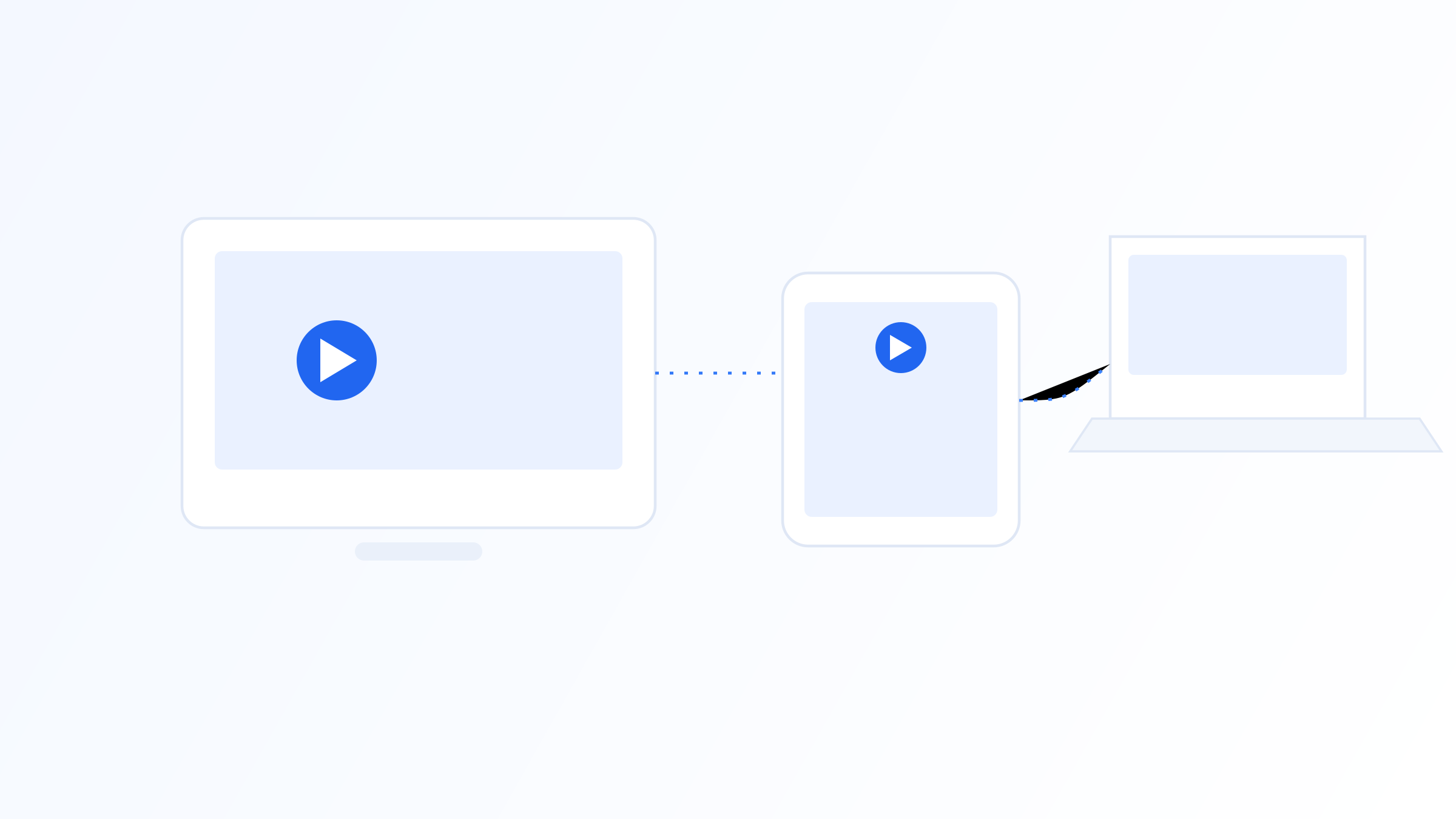
Beyond just smartphones alone, Indian households use a wide range of devices for streaming: budget and mid-range smart TVs, dedicated streaming boxes, and increasingly, affordable Android-based devices that bring smart TV functionality to older televisions. This wide diversity means an IPTV player app genuinely needs broad compatibility in order to reach viewers across very different hardware capabilities, spanning entry-level phones all the way up to premium smart TVs, a range noticeably wider than in many other comparable streaming markets.
Because device specifications vary so widely, from high-end smartphones to budget streaming boxes, apps that perform reliably across a range of processing power tend to serve Indian audiences better than those optimized only for high-end hardware, which excludes a meaningful share of the actual market, particularly viewers upgrading from a basic feature phone for the first time.
Shared household devices are also more common in this context than in some other markets, with a single TV or box sometimes serving an entire extended family with different viewing preferences. Features like separate favorites lists or easy profile switching become more practically useful in this kind of shared-device environment, where several people rely on the same screen at different times.
Network Conditions and What They Mean for Streaming Quality
Mobile network quality and home broadband speeds vary significantly across Indian regions, from dense urban areas with strong connectivity to more rural regions with more limited options. This variation makes adaptive streaming, where video quality automatically adjusts to current network conditions, especially valuable for maintaining a watchable experience without constant buffering, even as a viewer moves between different network conditions throughout the day, whether commuting, at work, or back on a home connection in the evening.
For users relying primarily on mobile data, understanding how resolution settings affect data consumption is practical knowledge, since streaming in a lower resolution when on a limited data plan can meaningfully extend usable data, stretching a monthly allowance considerably further, without requiring a viewer to give up watching altogether toward the end of a billing cycle.
Network conditions can also shift meaningfully depending on time of day and location, such as crowded indoor spaces or areas with weaker mobile coverage. A player app that handles these fluctuations gracefully, by adjusting quality rather than stalling completely, makes a noticeable difference in day-to-day usability across such varied conditions, where network quality can shift block by block.
Language and Regional Content Considerations
India's linguistic diversity, spanning many major languages and countless regional dialects, makes an organized, filterable channel list and program guide especially valuable. A viewer interested primarily in regional-language content benefits significantly from a player app that supports easy categorization and search rather than one long, unsorted channel list, which quickly becomes unmanageable and frustrating as the number of available channels keeps growing.
This diversity also means that a single household may want access to content across several languages, making flexible playlist support genuinely useful rather than a niche feature, since different family members may prefer entirely different content within the same shared setup, whether that means separate language preferences or simply different favorite channels.
Search and filtering features that let viewers narrow a channel list by language or region turn what could be an overwhelming list into something genuinely navigable, which matters more in a linguistically diverse market like India than in more linguistically uniform regions, where a single default language rarely serves everyone in a household.
What to Look for in an IPTV Player in India
Given India's mobile-first habits and diverse device landscape, a good IPTV player app should perform smoothly on both budget smartphones and TVs, support adaptive streaming to handle variable network conditions, and offer a well-organized guide that makes navigating a large, multi-language channel list manageable, rather than overwhelming for a first-time user.
Apps like IPTV Iconic that are built to run efficiently across a broad range of devices, rather than assuming high-end hardware, tend to translate better into this kind of varied, mobile-heavy usage environment, where a heavy, poorly optimized app quickly becomes a liability.
Battery efficiency is another practical consideration specific to a mobile-heavy market. A player app that's poorly optimized can drain a phone's battery noticeably faster during extended viewing sessions, which matters more for viewers relying on their phone as their primary streaming device throughout the day, when there may not be a charger within easy reach.
Affordability and Data Plans
Affordability plays a bigger role in how Indian viewers approach streaming than in many other regions, and this shapes practical decisions like how many services a household maintains at once and how much resolution is worth trading for lower data consumption. These are individual choices, but they highlight why flexible quality settings matter more here than in markets where unlimited high-speed data is the default assumption, since the tradeoffs are felt directly in monthly costs.
For viewers weighing device or plan upgrades, it's often more practical to prioritize a stable, adequate connection and a well-optimized player app over chasing the highest possible resolution, since consistent playback tends to matter more for day-to-day satisfaction than peak picture quality, a tradeoff most viewers accept once they experience it firsthand.
Wi-Fi offload, switching to a home or public Wi-Fi network when available rather than relying solely on mobile data, remains a simple and effective way to manage data costs without sacrificing streaming quality when a good connection is within reach, giving viewers a simple lever to control both cost and quality.
IPTV in India is shaped heavily by mobile-first habits, wide device diversity, and varying network conditions across regions. A player app that performs well on modest hardware, adapts smoothly to changing network quality, and organizes multilingual content clearly will generally serve Indian viewers far better than one designed primarily around high-end TVs and consistently fast home broadband, since those assumptions simply don't match how most people actually stream.
Related on our site
Further reading
Quick FAQ
Why is IPTV in India considered mobile-first?
Smartphone adoption in India has grown faster than smart TV ownership in many households, making mobile devices the primary screen for streaming for a large share of viewers.
Does IPTV use a lot of mobile data in India?
Data usage depends on streaming resolution; lower resolutions consume significantly less data than HD or 4K, which is worth considering carefully for viewers on limited or capped mobile data plans.
Can IPTV apps handle India's multiple languages?
The technology itself is language-neutral; it depends on the playlist sources used and how well the player app organizes and filters content by language or category.
What device works best for IPTV in India?
It depends on the household, but given the mobile-first landscape, a player app that performs well on both smartphones and budget smart TVs or boxes covers the widest range of common household setups across the country.
Ready to set up your own IPTV player?
View Pricing PlansReminder: use only legally licensed playlists and content sources. See our Legal & Responsible Use FAQ.